
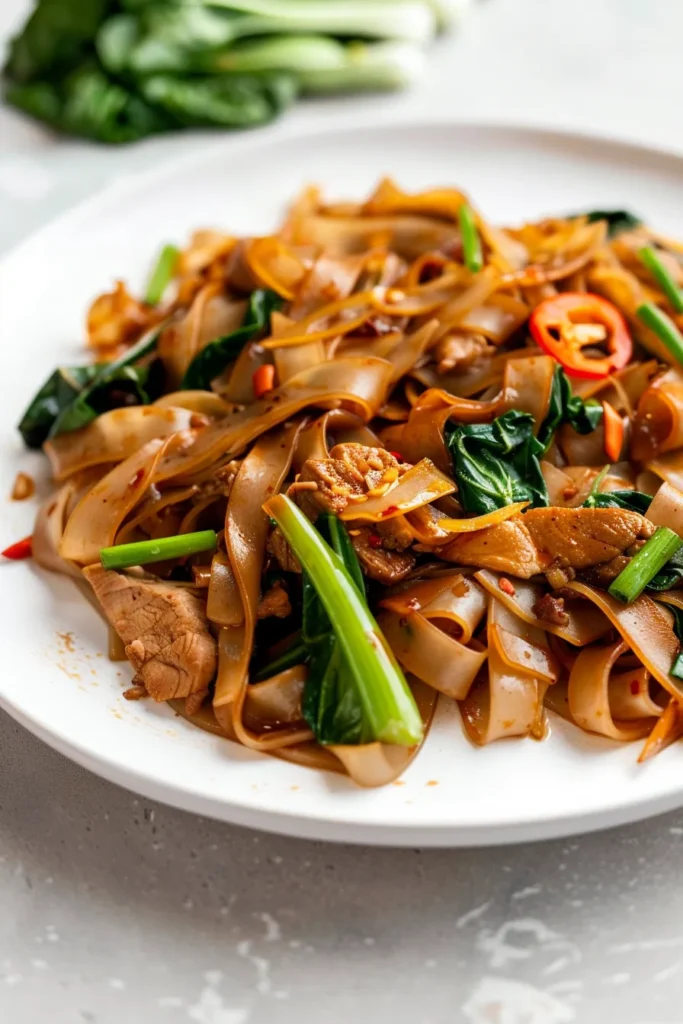
There is something undeniably magnetic about Thai street food—the roar of the wok, the flash of fire, and the intoxicating aroma of sizzling herbs. Drunken Noodles, or Pad Kee Mao, captures that exact energy in a bowl. Despite the name, there is no alcohol in the recipe! The theories vary: some say it is spicy enough to sober up a drunk person, while others claim it is the perfect late-night food to eat while drinking. Regardless of the lore, this dish is a flavor powerhouse. Chewy wide rice noodles, tender chicken, and crunchy bok choy are tossed in a savory, umami-rich sauce spiked with holy basil and fiery chilies. It’s smoky, spicy, and satisfyingly greasy in the best way possible.
Why You’ll Love This Recipe
- Weeknight Speed: It comes together in about 35 minutes, making it faster (and hotter) than delivery.
- Umami Bomb: The combination of oyster sauce, fish sauce, and dark soy sauce creates a deep, savory flavor profile.
- Texture Heaven: You get the chew of the noodles, the crunch of the bok choy, and the tenderness of the chicken all in one bite.
- Authentic Aroma: Using Holy Basil gives it that distinct, peppery, anise-like scent found in true Thai kitchens.
Equipment
- Wok or Large Skillet: Essential for high-heat stir-frying and tossing the ingredients vigorously.
- Heat-Proof Bowl: For soaking the rice noodles to the perfect “al dente” texture.
- Small Jar or Bowl: To mix the sauce ingredients thoroughly before adding to the heat.
- Tongs: The best tool for flipping the meat and tossing the noodles without breaking them.
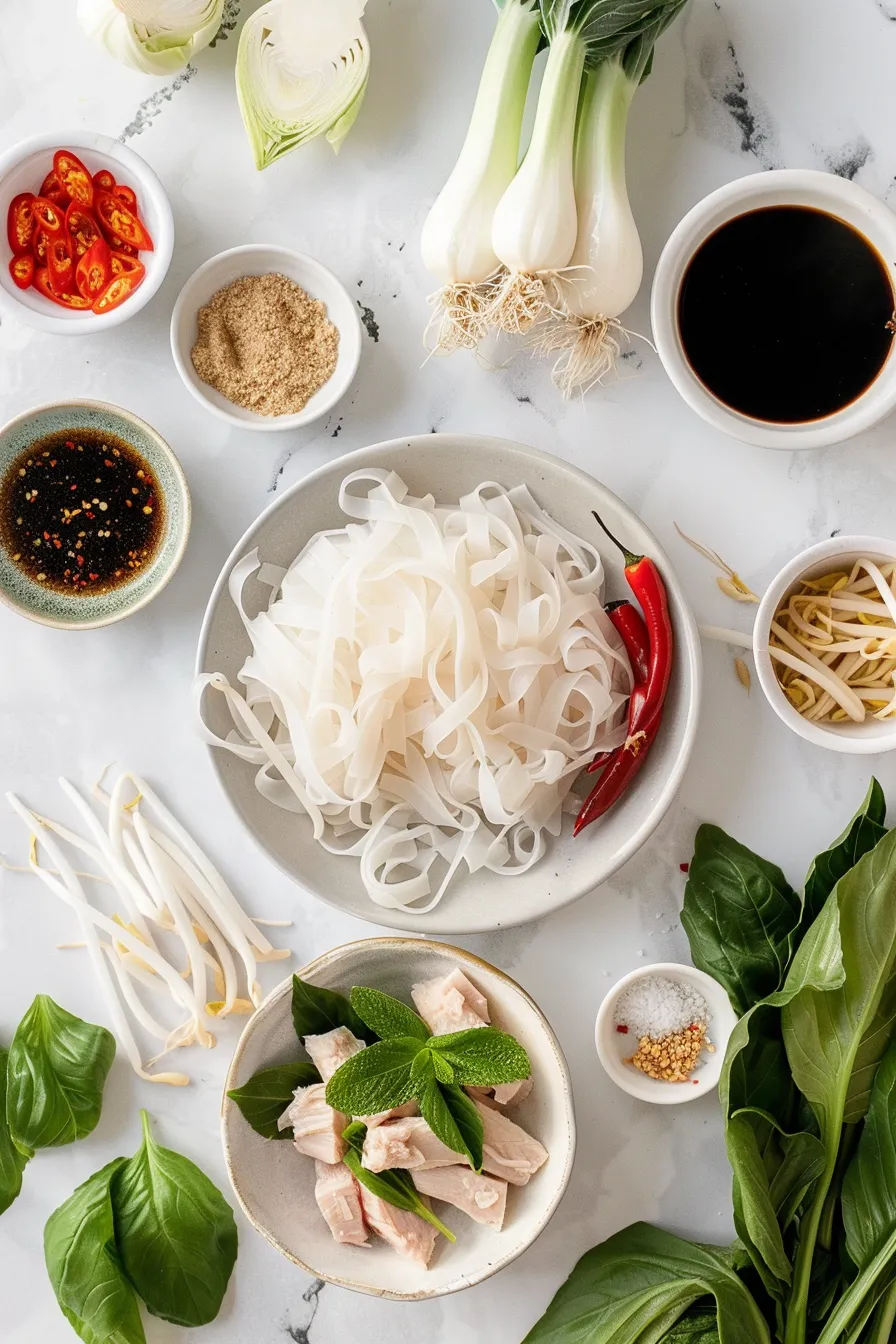
Ingredients
- Rice Noodles: 250 grams, dried medium-wide; these are the vehicle for the sauce. Wide noodles hold up best to the heavy stir-fry action.
- Chicken: 250 grams (thighs or breast), cut against the grain into thin strips. Thighs stay juicier, but breast works well if velvetted with soy sauce.
- Soy Sauce: 1 teaspoon (for marinade) + 3 teaspoons (for sauce); provides the salty base.
- Vegetable or Canola Oil: 3 tablespoons (divided); a neutral oil with a high smoke point is essential for searing.
- Garlic: 1 tablespoon, minced; the aromatic backbone of the stir-fry.
- Onion: ½ onion, sliced; adds sweetness and texture.
- Thai Red Chili Peppers: 2-3 peppers; these pack a punch! Adjust according to your heat tolerance.
- Baby Bok Choy: 4-5 heads, cleaned and cut; adds a fresh crunch and vibrant green color.
- Holy Basil: 1 cup; the signature herb of Pad Kee Mao. It has a spicy, peppery flavor different from sweet basil.
- Green Onion: 1 stalk; white and green parts separated.
- Dark Soy Sauce: 1.5 teaspoons; primarily for that rich, appetizing dark amber color.
- Oyster Sauce: 2 teaspoons; adds a thick, savory umami richness.
- Fish Sauce: 1 tablespoon + 1 teaspoon; the funky, salty soul of Thai cuisine.
- Brown Sugar: 2 teaspoons; balances the heat and salt with a touch of sweetness.
- White Pepper: Pinch; adds a subtle earthy heat.
- Chicken Stock: ¼ cup (or water); helps create a glossy sauce that coats the noodles.
Instructions
- Marinate the Chicken: Cut the chicken against the grain into thin strips. In a small bowl, mix the chicken with 1 teaspoon of soy sauce. Let it rest for 15-20 minutes while you prep the other ingredients.
- Soak the Noodles: Prepare the rice noodles. To prevent mushiness, place them in a heat-proof bowl and cover with hot water. Let them soak for 15-20 minutes until pliable but not fully cooked. Drain and set aside.
- Prep the Sauce & Veggies: Clean and cut the bok choy and pluck the basil leaves. In a small jar or bowl, whisk together the soy sauce, dark soy sauce, oyster sauce, fish sauce, brown sugar, white pepper, and chicken stock.
- Sear the Chicken: Heat a large wok or skillet with 2 tablespoons of oil over high heat. Add the marinated chicken and sear undisturbed for 2 minutes. Flip and sear for another 1 minute (it should be 90% cooked). Remove chicken and set aside.
- Sauté Aromatics: Clean the wok if needed and add the remaining 1 tablespoon of oil. Sauté the sliced onion for 30 seconds. Add the white parts of the green onion, minced garlic, and Thai chilies. Sauté for another 30 seconds to 1 minute until fragrant.
- Stir-Fry Greens: Add the bok choy and stir-fry for 30 seconds, keeping the heat on medium-high.
- Combine and Toss: Add the drained noodles, the cooked chicken (with its juices), the Holy basil, and the green onion tops. Pour the sauce mixture around the edges of the pan so it sizzles.
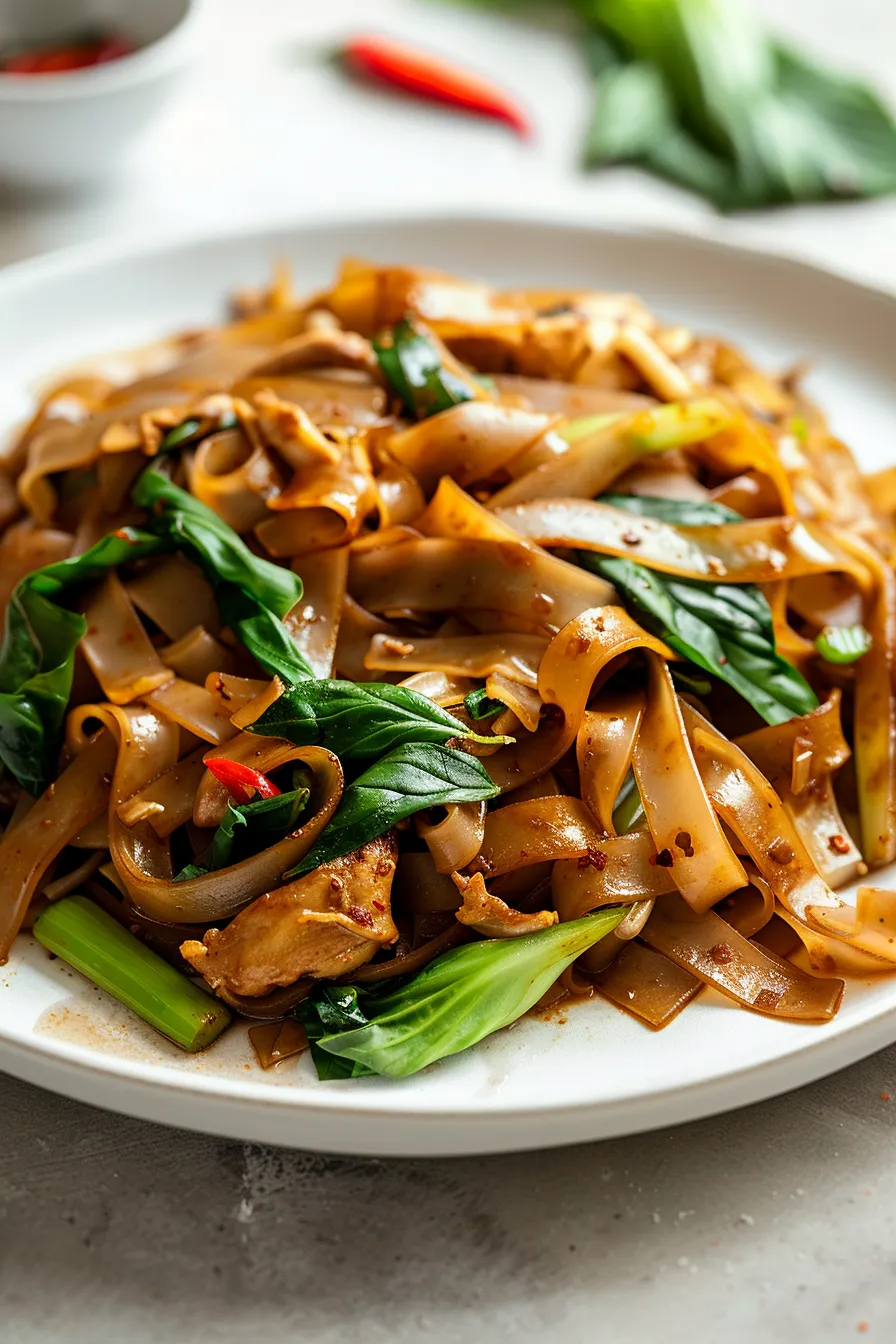
- Char the Noodles: Toss everything vigorously over high heat. Stir-fry for about 2 minutes, scraping the bottom of the pan to prevent sticking. You want the noodles to get slightly charred and coated in the glossy sauce.
- Serve: Plate immediately and garnish with fresh green onions.
You Must Know
- Soak, Don’t Boil: Rice noodles are delicate. Boiling them often leads to a gummy mess. Soaking them in hot water creates the perfect “al dente” texture that finishes cooking in the sauce.
- Holy Basil vs. Thai Basil: True Pad Kee Mao uses Holy Basil (Tulsi), which is peppery and clove-like. Thai Basil (purple stems) is sweeter. If you can’t find Holy Basil, Thai Basil is an acceptable substitute, though the flavor profile will shift slightly.
Storage Tips
- Fridge: Store leftovers in an airtight container for up to 3 days.
- Reheating: Rice noodles harden in the fridge. To reheat, sprinkle with a few drops of water and microwave, or toss quickly in a hot skillet to soften them up.
- Freezing: I do not recommend freezing this dish. Rice noodles tend to break down and become mushy when thawed and reheated.
Ingredient Substitutions
- Protein: Shrimp, sliced pork, or flank steak are excellent alternatives. For a vegetarian version, use firm tofu and swap the fish/oyster sauce for vegan alternatives.
- Vegetables: If you don’t have bok choy, Chinese broccoli (Gai Lan), regular broccoli, or bell peppers add great crunch.
- Noodles: If you can’t find wide rice noodles (Sen Yai), medium rice noodles (Sen Lek) work too. In a total pinch, wide fettuccine pasta creates a fun fusion dish.
- Chilies: If Thai bird chilies are too hot, use sliced jalapeños or a dollop of Sambal Oelek chili paste.
Serving Suggestions
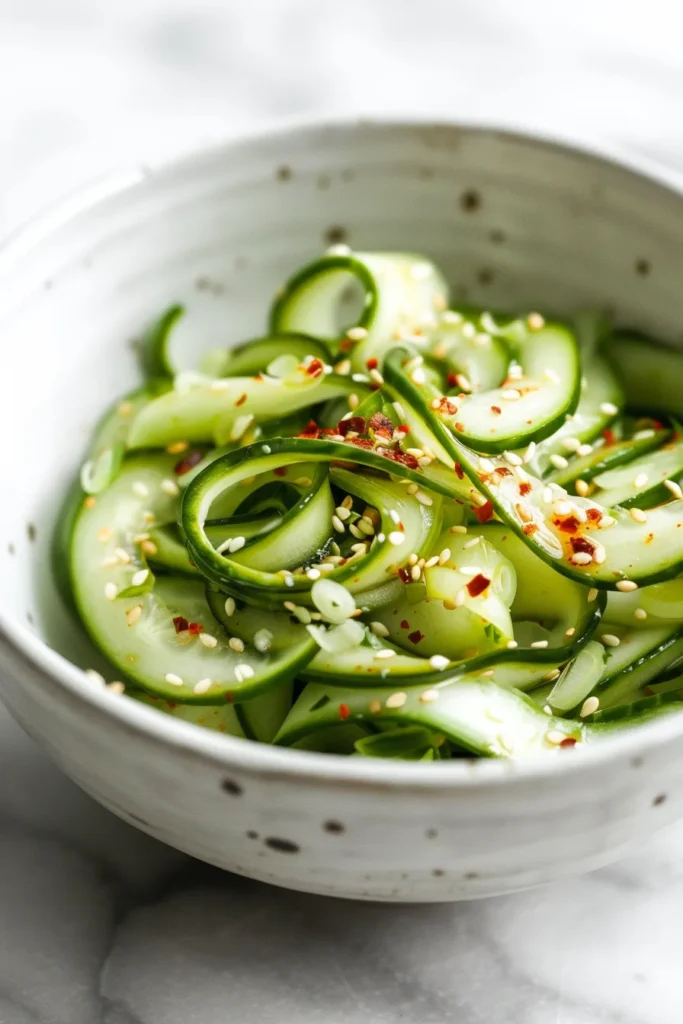
- Cucumber Salad: A cool, vinegar-based cucumber salad helps cleanse the palate from the heat.
- Thai Iced Tea: The creamy sweetness of Thai tea is the perfect antidote to the spicy chilies.
- Fried Egg: Top your noodles with a crispy fried egg (Kai Dao) for extra richness.
Cultural and Historical Context
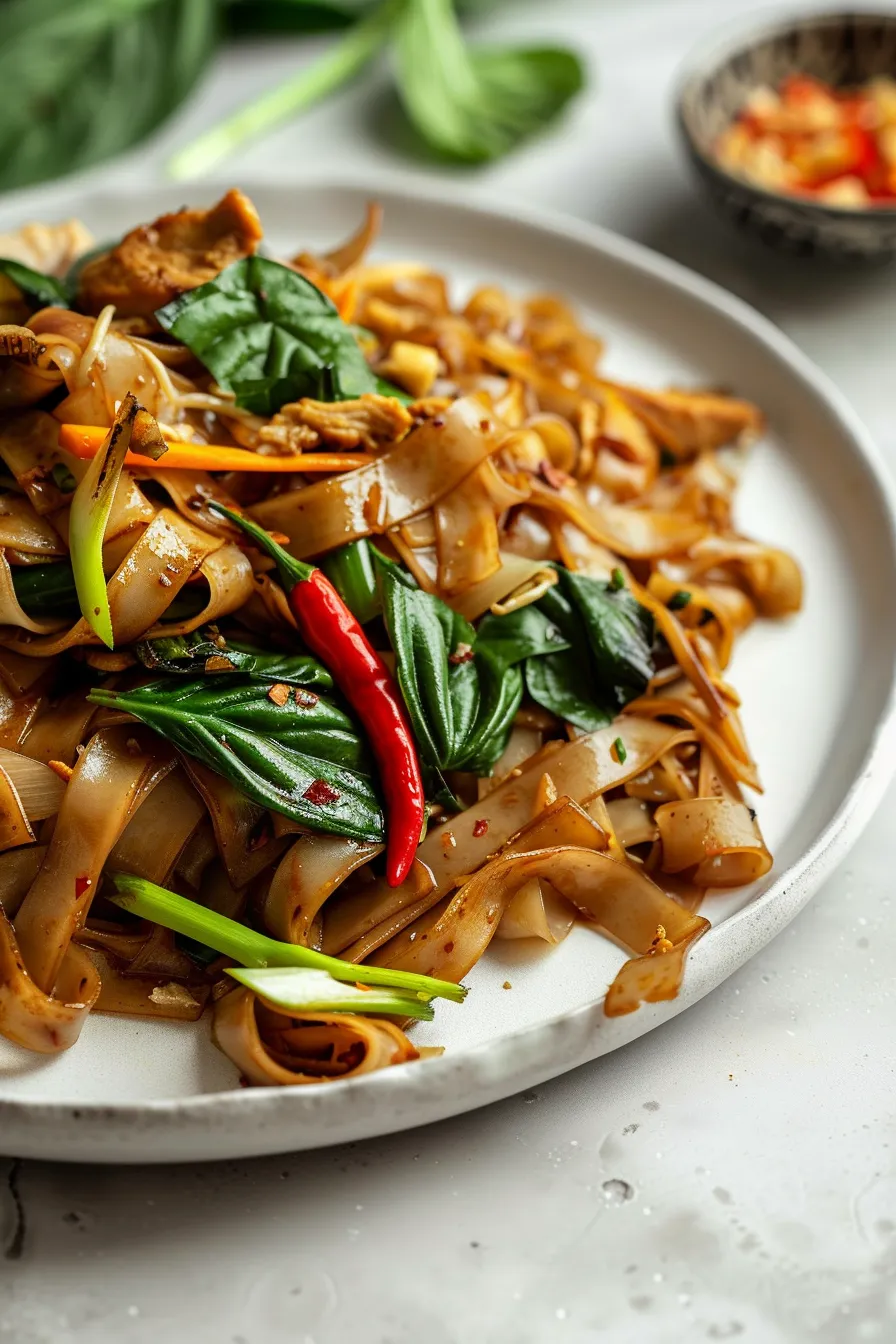
Pad Kee Mao is a relatively modern staple in Thai cuisine, likely influenced by Chinese stir-frying techniques brought by immigrants. It is quintessential street food—fast, cheap, and intensely flavorful. Unlike Pad Thai, which is sweet and nutty, or Pad See Ew, which is savory and mild, Pad Kee Mao is defined by its heat and the generous use of aromatic herbs like basil.
Seasonal Adaptations
- Summer: Load up on fresh summer vegetables like green beans, baby corn, and extra peppers from the garden.
- Winter: The heat from this dish makes it perfect for cold nights. You can use hearty greens like kale or collards if bok choy isn’t available.
Perfect Occasions
- Late Night Eats: True to its name, it satisfies those post-evening-out cravings perfectly.
- Date Night: Impress your partner with a restaurant-quality Thai meal made from scratch.
- Fridge Clean-Out: It’s a great way to use up leftover veggies and proteins at the end of the week.
Freezer Meal Conversion
While you shouldn’t freeze the finished noodle dish, you can prep a “Drunken Noodle Kit.” Slice the raw chicken and place it in a freezer bag with the marinade. In a separate small container, freeze the mixed stir-fry sauce. On cooking day, thaw the chicken and sauce. Buy fresh noodles and veggies, then proceed with the recipe. This cuts your prep time in half!
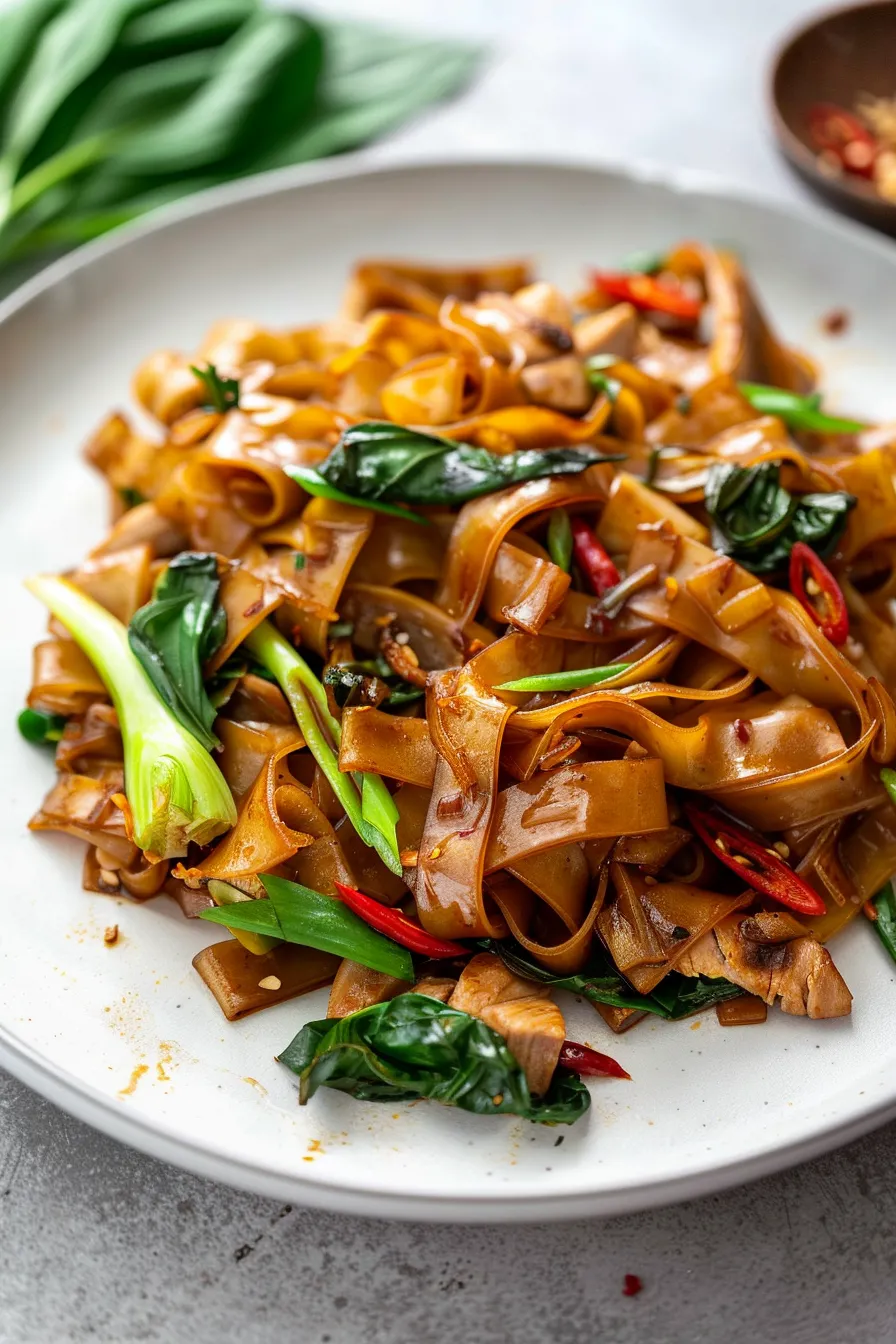
Pro Tips
- Wok Hei: To get that smoky restaurant flavor, you need high heat. Let your pan get very hot before adding the oil. If you have a small burner, cook in two batches so the noodles fry rather than steam.
- Mise En Place: Stir-frying happens in seconds. Have your sauce mixed, veggies chopped, and chicken prepped before you turn on the stove. You won’t have time to measure once the cooking starts.
- Sauce Adjustment: Fish sauce is potent. If you are new to Thai cooking, start with 1 tablespoon and taste. You can always add more salt, but you can’t take it out.
FAQs About Recipes
Is this recipe very spicy?
Yes, traditionally Pad Kee Mao is quite spicy. However, you control the heat! Use only 1 chili or remove the seeds for a milder version.
Can I use dried basil?
It is not recommended. The flavor of this dish relies heavily on the fresh, aromatic oils of the basil leaves. Dried basil won’t provide the same punch.
Why do my noodles stick together?
This usually happens if they were boiled too long or not drained well. Make sure to rinse them or toss them with a tiny bit of oil after draining if they are sitting for a while before cooking.
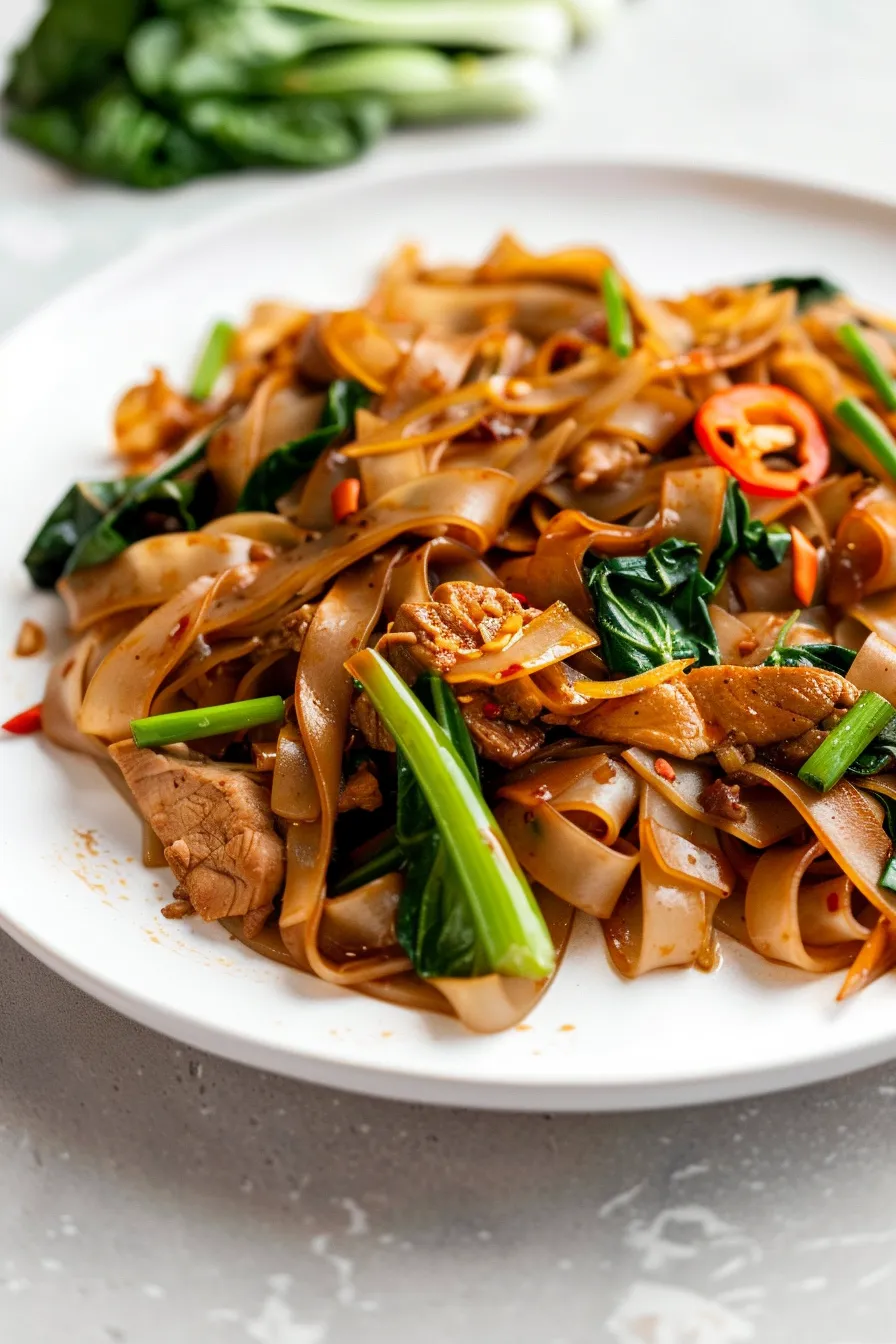
Easy Drunken Noodles (Pad Kee Mao)
Ingredients
Equipment
Method
- Cut chicken against the grain into thin strips. Mix with 1 teaspoon soy sauce and rest for 15-20 minutes.
- Soak rice noodles in hot water for 15-20 minutes until submerged and pliable. Drain and set aside.
- Clean and cut bok choy; pluck basil leaves.
- Whisk together soy sauce, dark soy sauce, oyster sauce, fish sauce, brown sugar, white pepper, and chicken stock in a small bowl.
- Heat 2 tablespoons oil in a large wok over high heat. Sear chicken for 2 minutes, flip, sear 1 minute. Remove and set aside.
- Heat remaining 1 tablespoon oil. Sauté sliced onion, white green onion parts, garlic, and red chilies for 30-60 seconds.
- Add bok choy and stir-fry for 30 seconds.
- Add drained noodles, cooked chicken (with juices), basil, and green onion tops.
- Pour sauce around edges of the pan. Toss on high heat for 2 minutes until sauce coats noodles and slight char appears.
- Serve hot garnished with extra green onion.