
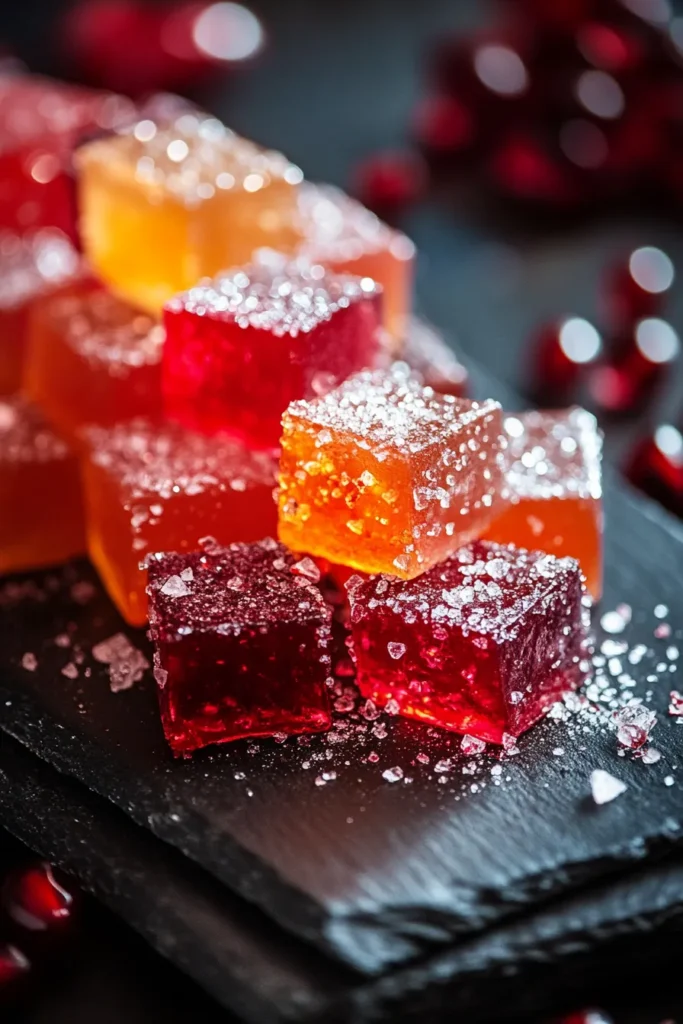
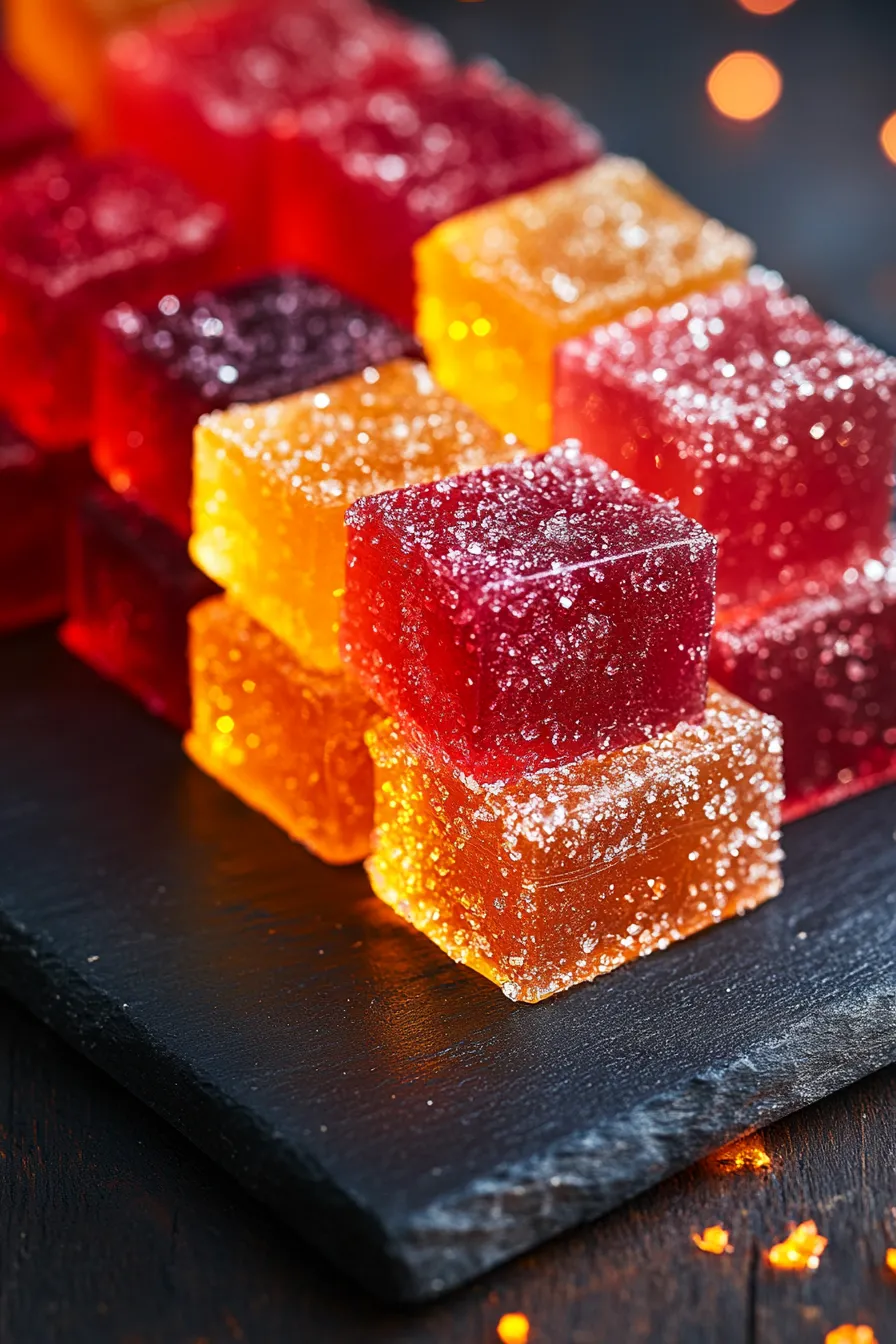
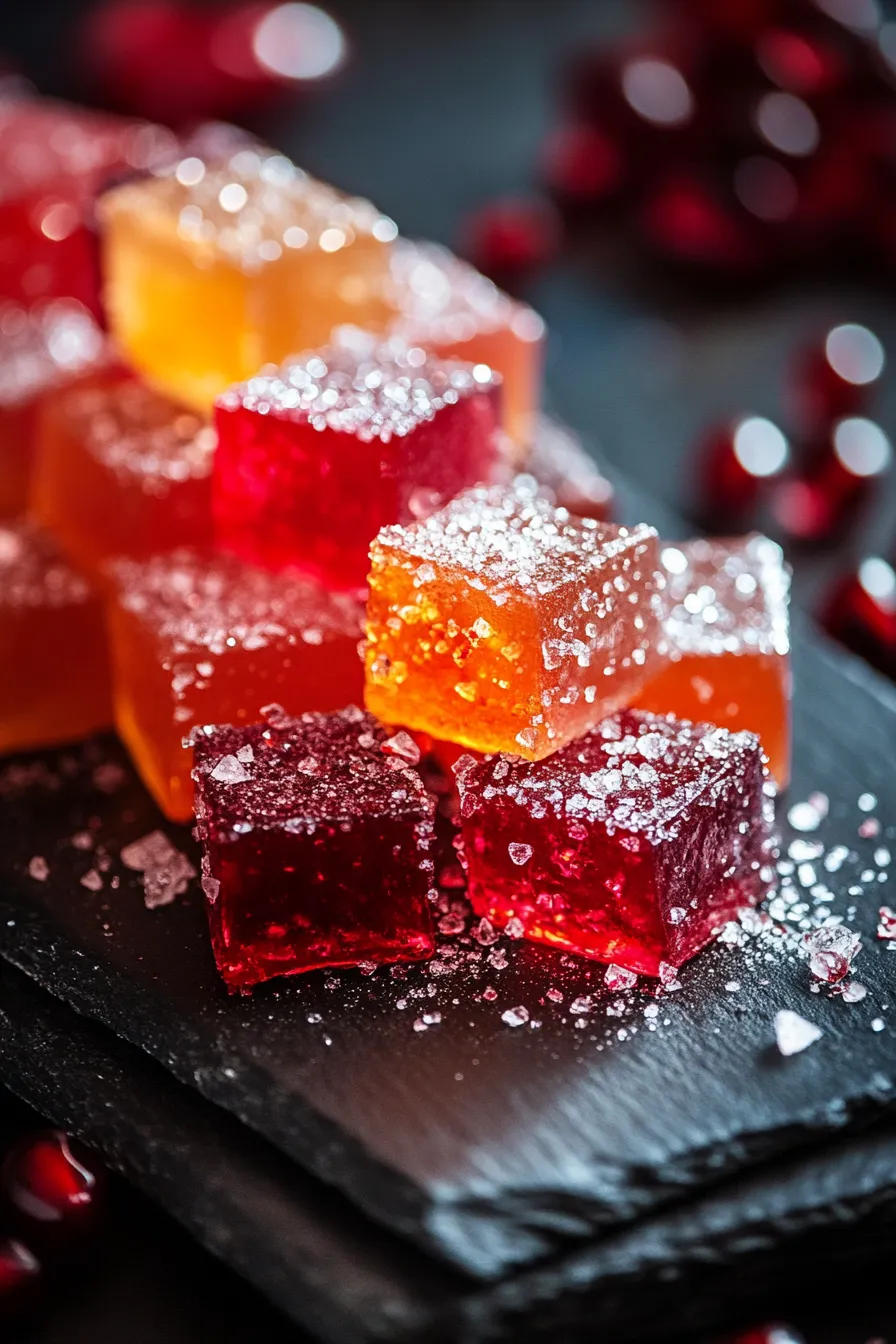
Pâtes de Fruits are the crown jewels of French confectionery. These square fruit jellies are far superior to any gummy candy you buy at the store. They offer a sophisticated balance of intense tartness and sweetness, with a soft, chewy texture that melts in your mouth. While many recipes rely on corn syrup for stability, this version uses pure fruit juice, granulated sugar, and pectin to achieve the perfect set. The result is a translucent, jewel-like treat with a crunchy sugar coating that looks as impressive as it tastes.
Why You’ll Love This Recipe
- No Corn Syrup: We achieve that perfect chewy texture using natural pectin and precise temperature cooking, keeping the ingredients list clean.
- Vegan Friendly: Unlike gelatin-based gummies, these use pectin (derived from fruit), making them 100% plant-based.
- Intense Flavor: Because the base is reduced fruit juice, the flavor is concentrated and authentic.
- Edible Gift: These look incredibly high-end when packed in a nice box, making them the ultimate DIY holiday or hostess gift.
Equipment
- Candy Thermometer: Crucial. You cannot make this recipe by guessing. The mixture must reach exactly 223°F to gel properly.
- Heavy-Bottomed Saucepan: A 9-inch pot is ideal. The heavy bottom prevents the sugar from scorching during the long boil.
- 8×8 Baking Dish: For setting the jelly.
- Whisk: For incorporating the pectin without lumps.
- Parchment Paper: To line the pan for easy removal.
Ingredients
The Base
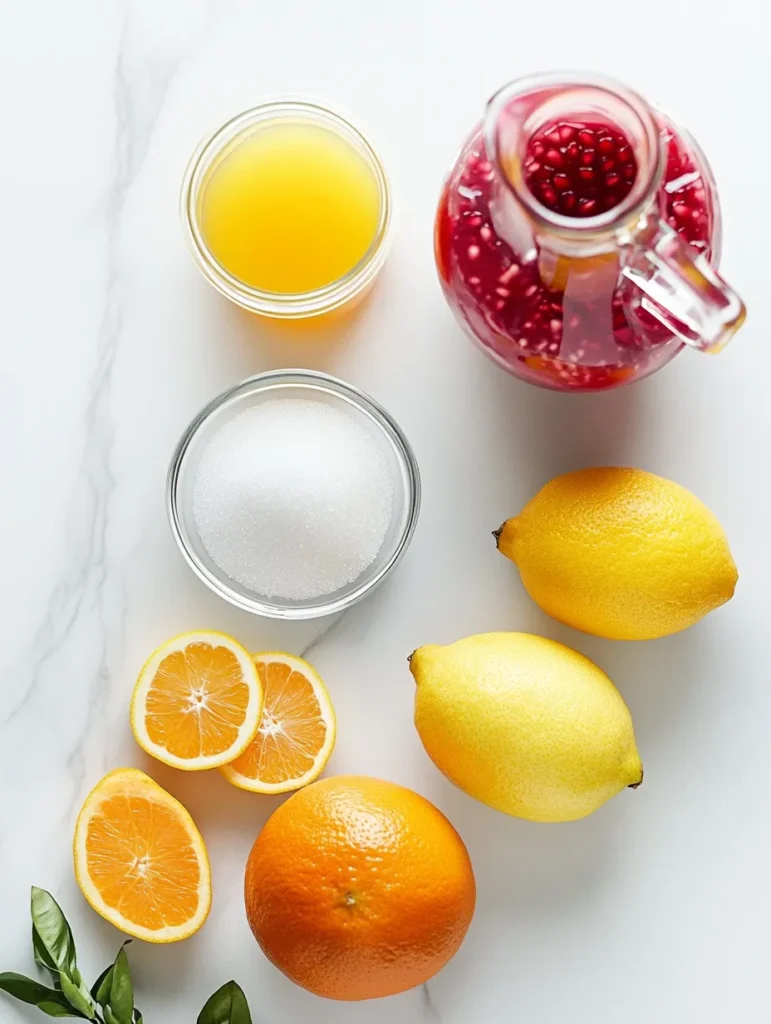
- Fruit Juice: 2 cups; freshly squeezed and strained is best. Orange and pomegranate work beautifully, but you can use almost any high-acid fruit juice.
- Granulated Sugar: 1 cup (plus extra for coating); this provides the structure. Do not try to reduce the sugar, or the candy will not set.
- Classic Pectin: 3 tablespoons; use powdered original/classic pectin (like Sure-Jell). Do not use low-sugar or instant pectin.
The Activator
- Lemon Juice: 1 tablespoon; freshly squeezed. Pectin needs acid to activate the gelling process.
Instructions
- Prep the Pan: Lightly oil an 8×8 inch or 9×9 inch baking dish. Line it with parchment paper, leaving an overhang on the sides for easy lifting. Set aside.
- Heat Juice: If using fresh fruit, squeeze and thoroughly strain the juice to remove pulp. Pour the 2 cups of juice into a heavy-bottomed saucepan. Clip your candy thermometer to the side of the pot (ensure the tip is in the liquid but not touching the bottom). Bring to a simmer over medium heat.
- Mix Pectin: In a medium bowl, whisk together the 1 cup of sugar and 3 tablespoons of pectin. Mixing the pectin with sugar before adding it to liquid prevents gummy clumps from forming.
- Combine: Slowly pour the sugar-pectin mixture into the simmering fruit juice, whisking constantly.
- The Boil (The Important Part): Increase heat to medium-high. Cook the mixture, stirring occasionally, until it reaches a boil. Continue cooking until the thermometer reads exactly 223˚F (106˚C). Be patient; this can take 15–20 minutes.
- Finish: Once it hits 223˚F, turn off the heat. Immediately stir in the lemon juice. Pour the hot mixture into the prepared baking dish.
- Cure: Allow the slab to sit uncovered at room temperature for 24–36 hours. Do not rush this. This long drying period prevents the candy from “weeping” (leaking moisture) later.
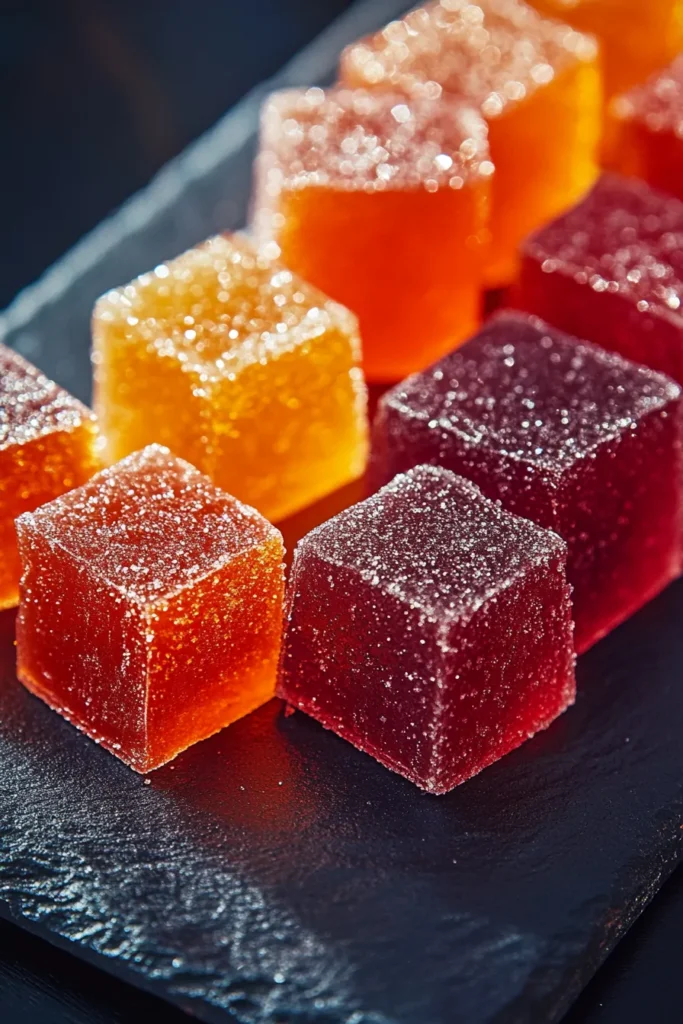
- Cut & Coat: Lift the slab out using the parchment paper. Spray a sharp knife with cooking oil. Cut into 1.5-inch squares. Place extra sugar on a plate and toss each square to coat completely.
You Must Know
- Temperature is Key: Pectin gels between 217˚F-222˚F. We take it to 223˚F to be safe. If you pull it off the heat too early, you will have syrup, not jelly.
- The “Weeping” Issue: If you coat the candies in sugar immediately after they cool, the moisture inside will dissolve the sugar coating, turning it into a sticky mess. The 24-hour cure time dries the surface to prevent this.
- Pectin Type: This recipe relies on the chemistry of High Methoxyl Pectin (standard yellow box). Low-sugar pectin uses calcium to set and will not work here.
Storage Tips
- Room Temp: Store in an airtight container at room temperature for up to 2 weeks. Use parchment paper between layers to prevent sticking.
- No Fridge: Do not refrigerate! The humidity in the fridge will cause the sugar coating to melt and the candy to become sticky.
- Freezing: Not recommended.
Ingredient Substitutions
- Fruit Variations: Raspberry, blackberry, apricot, or passion fruit purees work well. Always strain the seeds.
- Sour Coating: For a “Sour Patch” effect, mix 1 teaspoon of citric acid into the sugar coating mixture.
- Crunch: Use coarse sanding sugar or organic cane sugar for the coating if you want more texture.
Serving Suggestions
- Tea Time: Serve alongside hot black tea; the tartness cuts through the tannins perfectly.
- Cheese Board: A cube of pâte de fruit pairs surprisingly well with sharp cheddar or aged gouda.
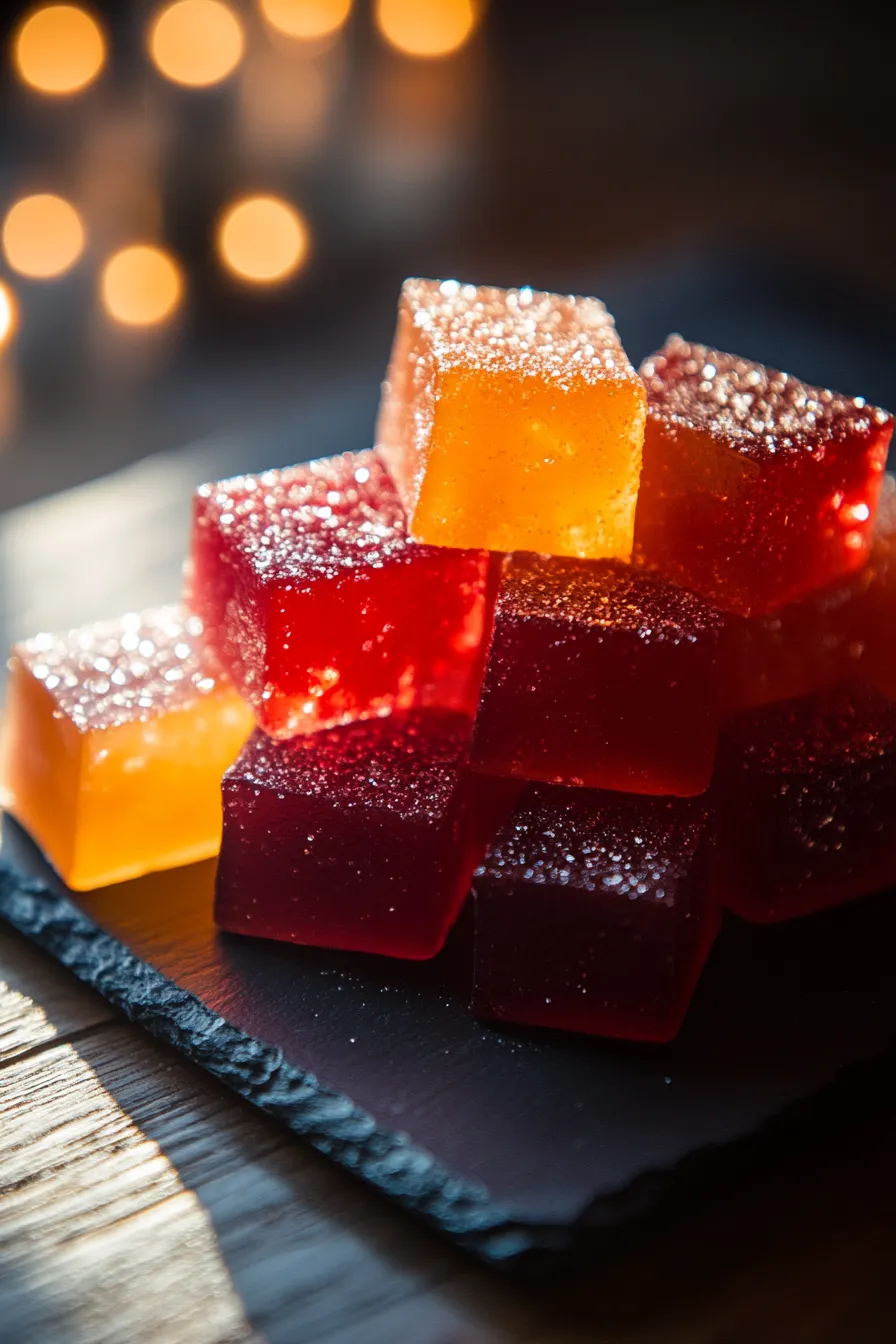
- Dessert Tower: Stack them in a pyramid for a colorful centerpiece.
Cultural and Historical Context
Pâtes de Fruits (fruit pastes) date back to the 10th century in the Auvergne region of France. Originally, this method was developed as a way to preserve excess fruit harvest before refrigeration existed. Today, it is considered a high-end confection sold in luxury patisseries across Paris.
Seasonal Adaptations
- Winter: Blood Orange or Cranberry jellies.
- Spring: Strawberry-Rhubarb (strain well).
- Summer: Raspberry or Peach.
Perfect Occasions
These are the ultimate Christmas Food Gift, a sophisticated addition to a Bridal Shower, or a sweet treat for Valentine’s Day.
Freezer Meal Conversion
This recipe is not suitable for freezing. The texture relies on a precise sugar-pectin matrix that breaks down and weeps moisture when frozen and thawed.
Pro Tips
- The Oil Trick: The mixture gets very sticky. Lightly oiling your knife before cutting creates clean, sharp edges on your squares.
- Whisk First: Never dump pure pectin powder into hot liquid. It will instantly seize into hard lumps. Always mix it with sugar first.
- Patience: During the boil, the temp will stall around 212°F (boiling point of water) for a long time while the water evaporates. This is normal. It will spike to 223°F only after most water is gone.
FAQs About Recipes
Why is my candy soft/runny?
You didn’t reach the target temperature of 223°F. Next time, calibrate your thermometer to be sure.
Why is the sugar coating melting?
You didn’t let them cure (dry out) long enough before rolling in sugar, or you stored them in a humid environment.
Can I use liquid pectin?
It’s risky, but if you do, use 6oz liquid pectin for every 3 tbsp powdered. Add liquid pectin after the boil, not before.
Homemade Pâtes de Fruits
Ingredients
Equipment
Method
- Oil and line an 8x8 inch baking dish.
- Simmer fruit juice in a heavy saucepan.
- Whisk sugar and pectin together, then whisk into simmering juice.
- Boil mixture over medium-high heat until it reaches exactly 223˚F (15-20 mins).
- Turn off heat, stir in lemon juice, and pour into pan.
- Let cure at room temp for 24-36 hours.
- Cut into squares and toss in suga